
Agentic Automation
Agentic workflows that run end-to-end
Autonomous workflows that coordinate tasks, approvals, and data updates while keeping humans in the loop.
Autonomous by design
Workflows that handle the repetitive work
From lead capture to billing follow-up, agentic systems remove manual steps while teams stay in control.
Lead pipeline
Lead capture -> qualify -> follow-up -> schedule -> reminders -> review request.
Billing workflow
Gentle nudges -> payment links -> receipt -> ledger updates with approval gates.
Support orchestration
Categorize -> route -> propose response -> human approval -> close the loop.
Workflow DNA
A repeatable orchestration pattern
Every workflow uses the same reliable core, so you can scale safely.
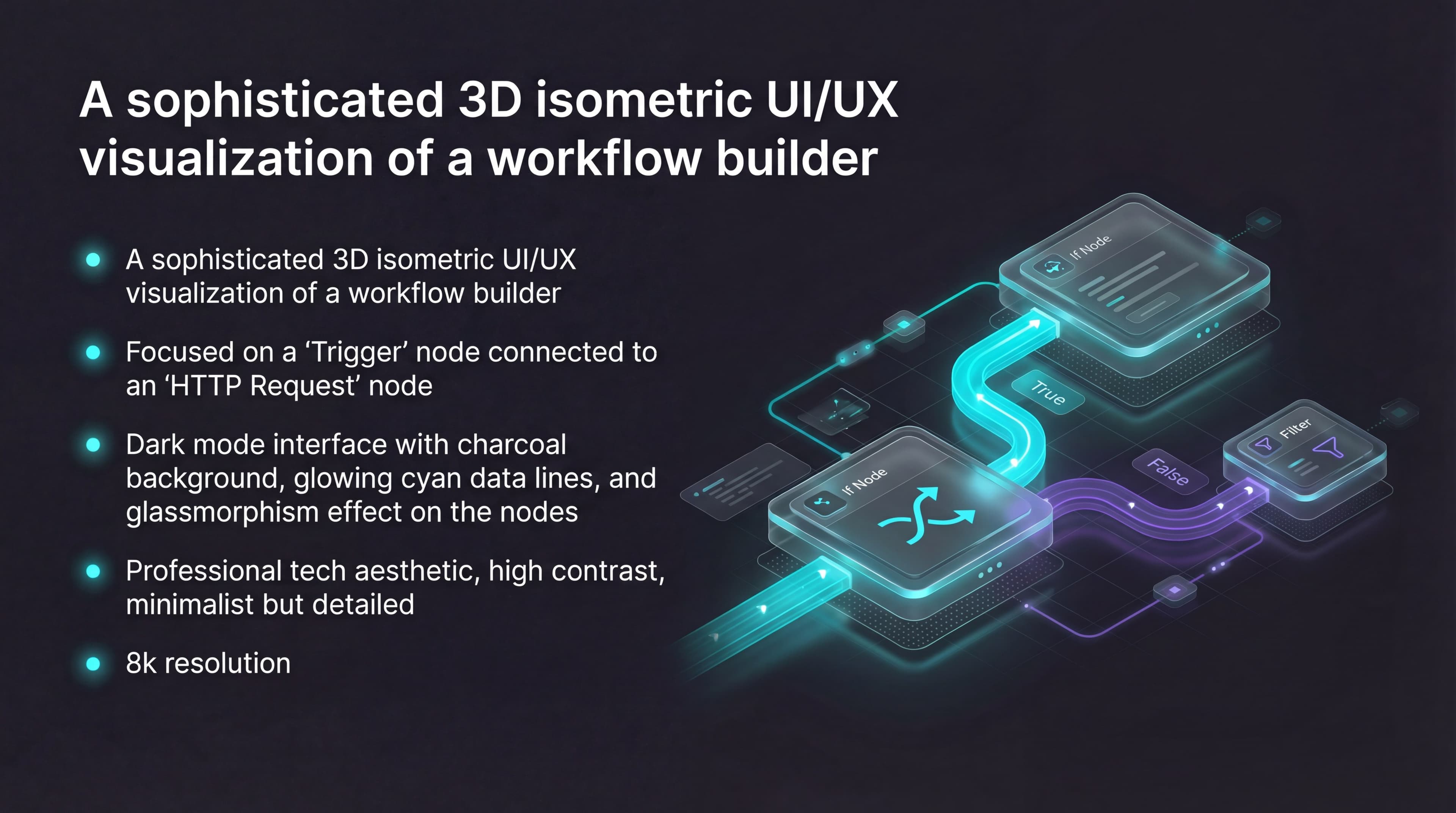
Trigger
Lead captured, ticket opened, or task initiated.
Enrich
Pull context from CRM, calendar, or knowledge base.
Decide
Apply rules and guardrails for the next action.
Act
Send follow-up, schedule, or update records.
Log
Audit trail with every action and outcome.
Escalate
Route to humans when exceptions appear.
Automate the repetitive. Protect the human.
Where scripts break
The reality that kills brittle automation
A Zapier zap or RPA bot does exactly one thing the same way every time. Real work isn’t like that — here’s what changes when an agent handles it instead of a fixed script.
Exceptions, not just the happy path
The form is missing a field, the email is ambiguous, the duplicate already exists. A script throws an error and stops; the agent reasons about the exception, takes the sensible next step, and routes the genuinely unclear cases to a person with the context attached — instead of silently dropping the work.
Tolerant of systems that change
A renamed CRM field or a redesigned vendor portal breaks a hard-coded integration overnight. An agent works from intent, adapts to the change, and flags what shifted — so a UI tweak upstream doesn’t become a Monday-morning fire drill for your team.
Holds state across days, not seconds
Real processes wait — on an approval, a customer reply, a delivery. Ed keeps the full thread alive across that gap, resumes exactly where it left off when the answer lands, and remembers how this same case was handled last time instead of treating every trigger as brand new.
Why Ed — not just AI
Why you need Ed running the workflow, not a brittle script
Scripted automations break the moment reality drifts. Ed runs the whole pipeline with memory of why each step exists and judgment when something is off.
Long-horizon, not one-shot
Ed executes multi-step work that unfolds over hours or weeks, holding the full thread instead of forgetting after a single trigger.
Human-in-the-loop by design
High-stakes steps pause for your approval; everything is logged. Autonomy where it's safe, oversight where it matters.
It learns your exceptions
Ed remembers how you handled the edge cases last time, so the workflow gets smarter instead of breaking again.
The difference: generic AI forgets between conversations and resets to zero. Ed runs on Memory Statue v2.6 — Prismatic Recall: persistent, governed, auditable memory and long-horizon operation, with a human in the loop where it matters.
Brittle automations quietly fail and cost more to babysit than the work they replaced.
Ready when you are
Launch your first workflow in days
We map the workflow, integrate with your tools, and keep humans in control from day one.